Suitable


Chinos For Men: A Brief History and the Difference from Suit Pants
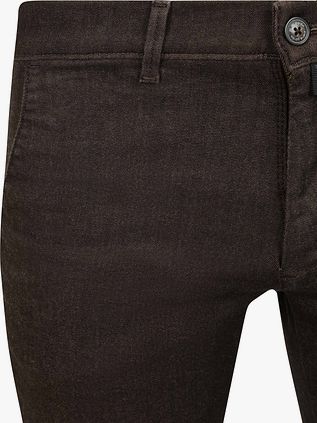
In terms of style, the chino sits between jeans and dress trousers. It is a sturdy cotton trouser that fits perfectly into a business casual outfit: you can wear it at the office and on a terrace without anyone batting an eyelid. You recognise a chino by the two slanted front pockets and the two jetted pockets at the back.
The history of the chino
The modern chino derives from the cotton twill trousers worn in French and British army uniforms in the 19th century. The name comes from Spanish: chino means Chinese, and referred to the fabric, which was sourced from China. After the Second World War the trousers became popular with students who had no desire to squeeze into a suit but still wanted to stand out. Where you once could only choose from shades of khaki, there are now chinos in every imaginable colour and in a wide range of fits.
The difference between a chino and dress trousers
The difference lies mainly in the fabric. Chinos are made from sturdy types of cotton, dress trousers mostly from wool or linen. In addition, dress trousers often have a crease running down the leg, which a chino does not. You can see that difference in the overall look: dress trousers are elegant and formal, a chino is rugged and casual. Try a chino with a T-shirt and trainers, or make it more formal with a shirt and a blazer.